Capacity before capability

A woman can be incredibly resilient and have almost no capacity left.

If you’re the one who always copes, people stop asking how you are. Sometimes you stop asking too. I’m Philippa Scott, and for more than twenty-two years I’ve helped women, families and organisations look at what coping is really costing them, and build the capacity to do something about it.

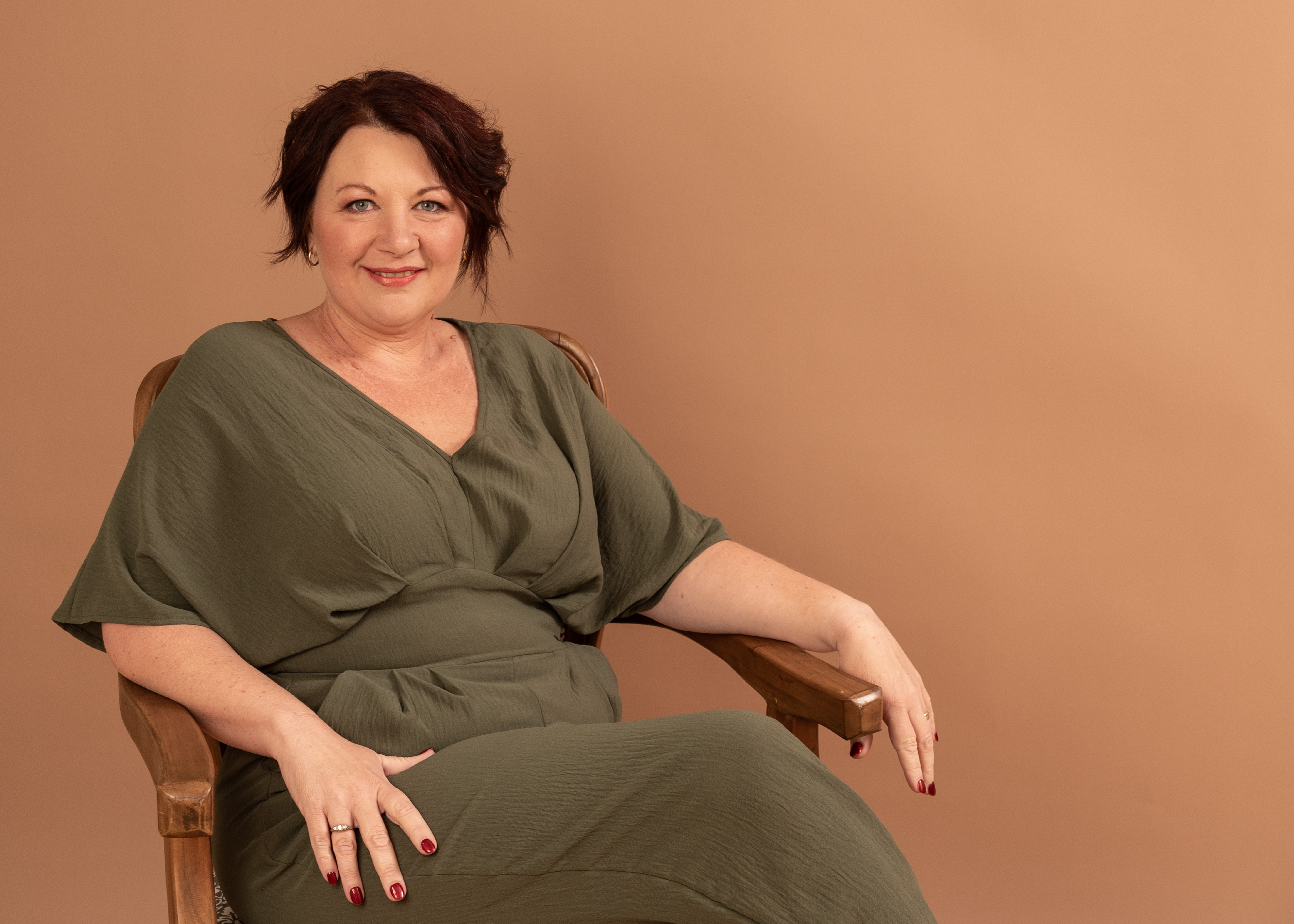
Philippa Scott seated in a wooden armchair in an olive dress against a warm clay-coloured wall, smiling at the camera.

You might recognise this

Most of the women I work with aren’t falling apart. That’s rather the point.

They’re running households, teams, businesses and, frequently, everybody else’s feelings. They’re brilliant in a crisis. They’re the one who remembers the birthday, notices the colleague who’s gone quiet and knows which kid needs a bit more at dinner.

And somewhere along the way, a few things started happening.

  • You’re tired in a way a long weekend doesn’t touch.
  • You’re grateful for the life you’ve built, and quietly resentful of how much it takes to hold it together.
  • You snap at the people you love most, then lie awake running the replay.
  • You know an awful lot about wellbeing. Knowing has never been the problem.

None of this means you’re failing. More often it means you’ve lived beyond your capacity for so long that it started to feel like your personality.

The idea at the centre of my work

Capacity before capability.

We’re very good at asking what people can do. We’re far less curious about what they have available to do it with.

Capability is your skill, knowledge and experience. Capacity is what you’ve actually got to work with on a given day. It shifts with the state of your nervous system, the patterns you’ve carried from earlier chapters, your health, your relationships, your resources and the load you’re under.

Resilience is a wonderful thing, and I’d never talk anyone out of it. But being able to cope doesn’t tell us what coping is costing. When resilience becomes an expectation instead of a resource, it has a habit of curdling into resentment.

“You can be grateful for the life you’ve built and still want it to change.”

What does “capacity before capability” mean?

It’s the principle that lasting change starts with what a person has available (their nervous-system state, resources and load) before we ask them to learn, do or carry more.

Philippa Scott

The methodology

The Capacity Architecture™

Capacity isn’t fixed, and it isn’t a personality trait. You can’t add capacity to a full room, so the work starts by making space. Then that space needs somewhere sensible to go.

The Capacity Architecture is the framework I’ve developed across two decades of therapeutic and coaching work. It brings three kinds of support together. Therapeutic development clears what’s underneath: old wiring, stored trauma and survival responses. Support holds you while things settle, because not every stage needs to be work. Coaching and integration changes how you’re living: your roles, habits, relationships, expectations and decisions.

Some people need both. Plenty don’t need therapy at all. Part of the work is figuring out which is actually useful.

Recognise

See where your capacity is going, and the patterns that keep sending it there.

Therapeutic development

  • Clear

    Clear out the old wiring that’s taking up the room, so there’s finally space to grow.

Support

  • Held

    Be held while things settle. No agenda, no homework. Not every room is work.

Coaching and integration

  • Reconfigure

    Change how your life is organised, so it stops asking for more than you have.

  • Embody

    Live from new patterns, with self-trust and discernment, on an ordinary Tuesday.

These aren’t steps to climb in order. They’re rooms in the same building, and most people move between them. Held sits at the heart of the house, so you can come back to it whenever you need to.

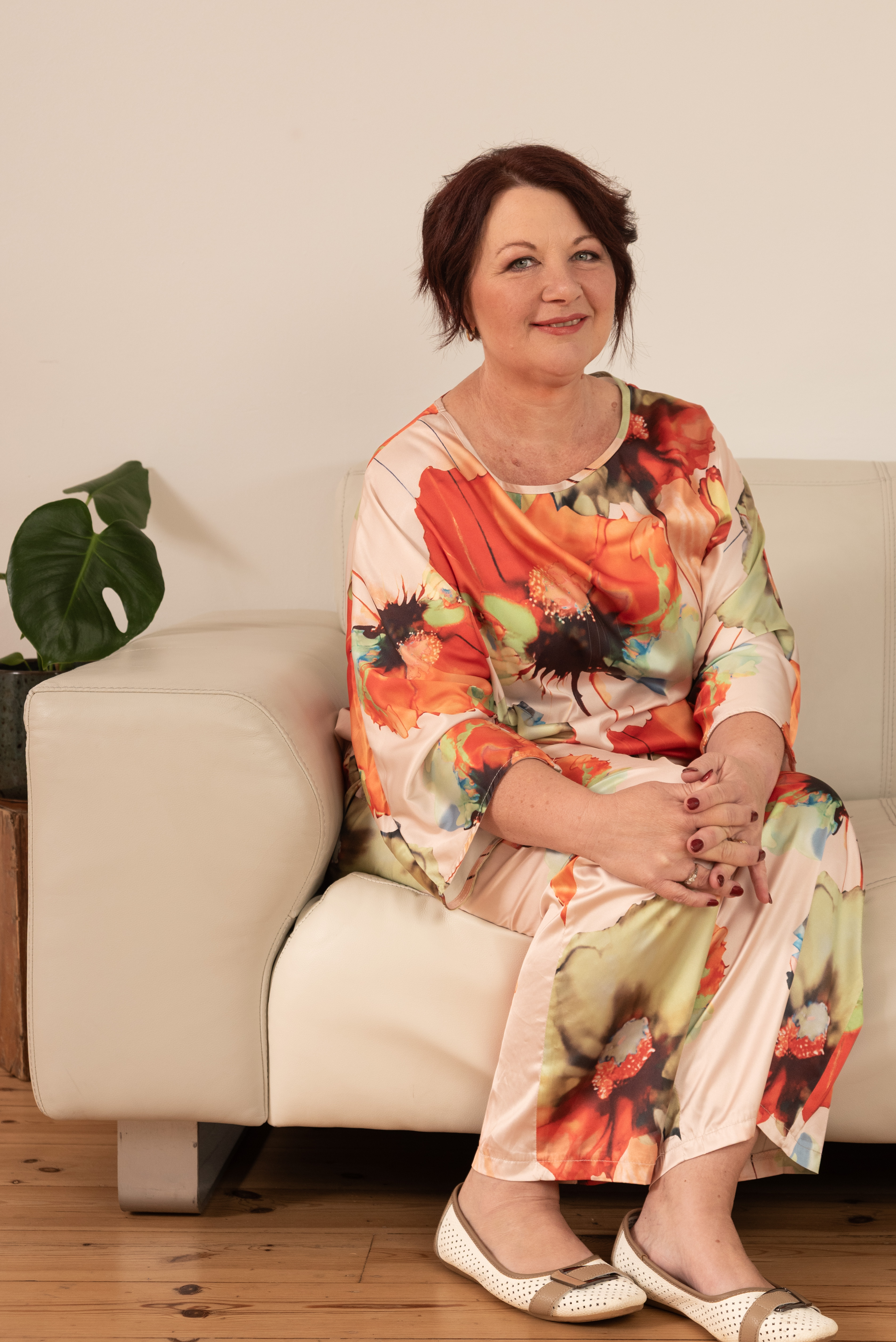
Philippa Scott seated on a cream sofa in a bright floral outfit, hands clasped, smiling at the camera.

About Philippa

I learnt about capacity the way most of us do. By running out of it.

For more than twenty-two years I’ve worked with women and families at the moments that change them: birth, early motherhood, trauma, neurodivergent family life, leadership and the long recalibration of midlife. Before that I led sales teams in the corporate world, so I know what high performance looks like from the inside, and what it quietly asks of the people delivering it.

I hit my own wall when my eldest daughter was sixteen. I was doing everything right on paper and had nothing left in practice. What changed things wasn’t more information. It was capacity: therapeutic work that shifted old patterns, and some fairly unglamorous changes to how my life was set up.

That’s why my work sits where it does, somewhere between the nervous system and a Tuesday afternoon.

  • TRTP™ Practitioner
  • Bachelor of Social Science (Sociology)
  • Certified Childbirth Educator
  • Certified Doula since 2004
  • Host of The Family Architect podcast

Read my story

Work with Philippa

Where would you like to start?

For you

Therapy and coaching

One-to-one work for women who are ready to look honestly at what coping has cost, and to change what comes next. Therapeutic work (including TRTP™), support and coaching are different kinds of work. We’ll talk first, free, and work out together what fits.

For your organisation or event

When resilience curdles into resentment

The hidden cost of being the one who always copes.

A keynote for organisations that are tired of telling capable people to be more resilient. It looks at how resilience turns into identity and expectation, what sustained overextension costs teams, and why capacity deserves as much attention as capability.

Looking for parenting support? My family work lives at Fantastic Futures (opens in a new tab).

Before you go

If you’re the one who always copes, who’s looking after your capacity?

You don’t need to answer that today. If it’s stayed with you, I write Capacity Notes once a month, on resilience, nervous systems, identity and the business of becoming.

Or, if you’re ready, make an enquiry